



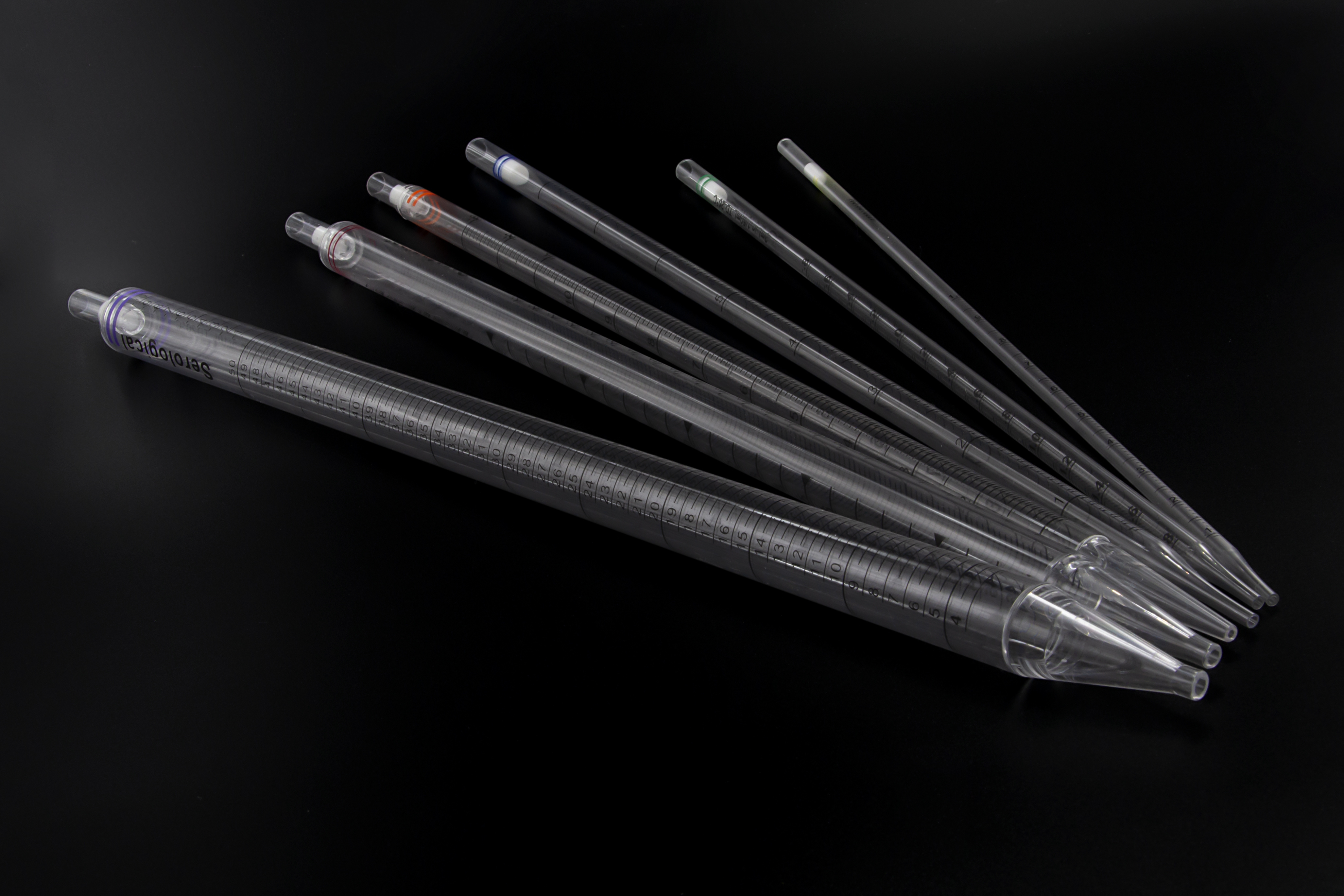

As a precision laboratory instrument, the pipette plays a crucial role in chemical analysis, biological research, and pharmaceutical preparation. It is typically designed as a slender glass tube with a wide opening at one end for aspirating and dispensing liquids and a narrowed tip equipped with a graduated scale, enabling users to accurately measure the desired volume of liquid. The operation of a pipette relies on the principle of air pressure: by drawing in or releasing air, the liquid level inside the tube can be raised or lowered, thereby preventing direct contact between the liquid and the user’s fingers and reducing the risk of contamination. Moreover, high-quality pipettes are often fitted with drip-free tips that effectively prevent liquid from dripping during transfer, further enhancing the accuracy and safety of experiments. To maintain optimal performance, pipettes should be promptly cleaned and properly stored after use, avoiding prolonged exposure to extreme temperatures or intense light, so as to ensure their long-term accuracy and service life.
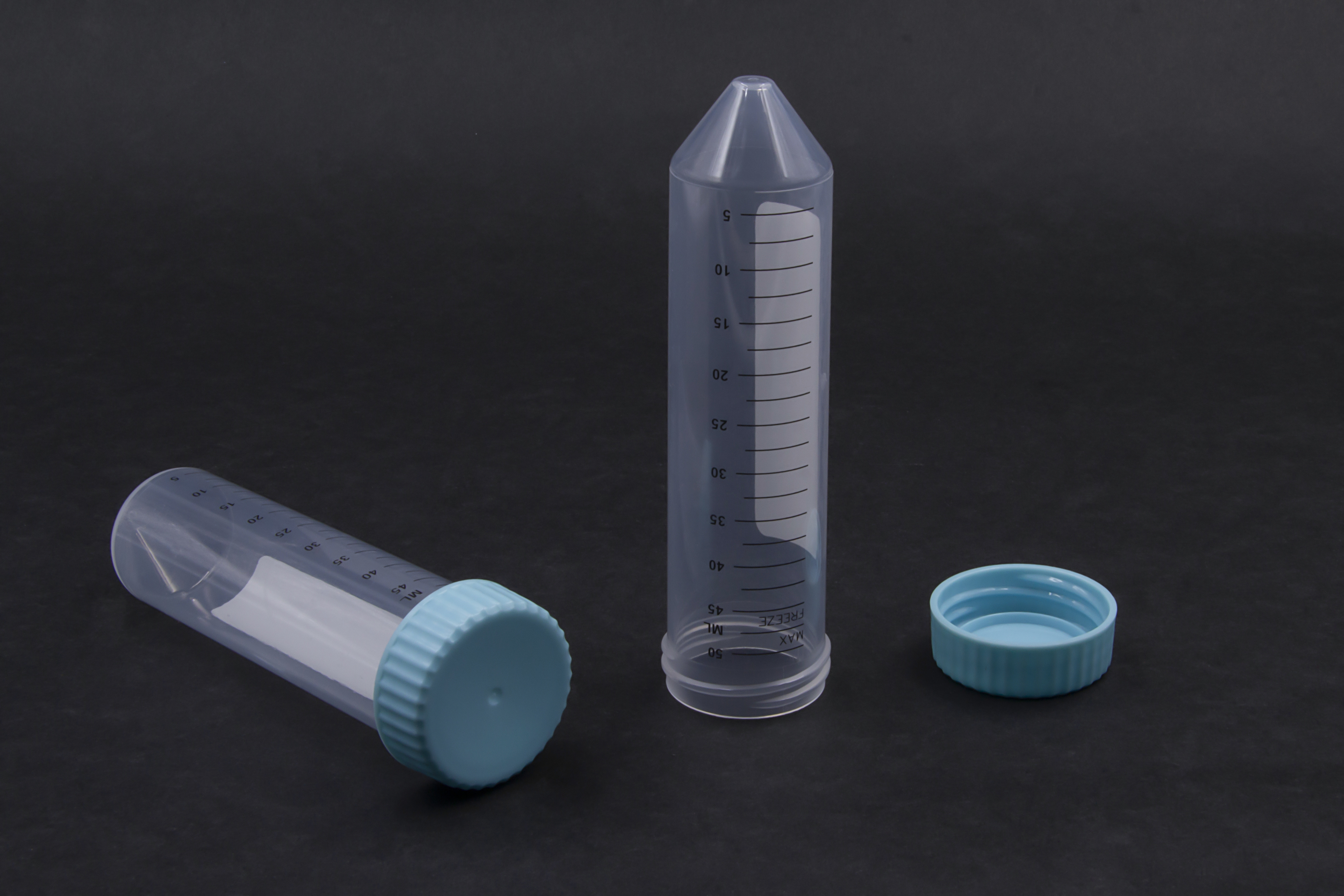
Centrifuge tubes are indispensable basic laboratory tools, widely used in numerous research fields such as biochemistry, genetics, and molecular biology. Made from high-quality polypropylene and polyethylene materials, they are designed to withstand the immense centrifugal forces generated during high-speed spinning without rupturing, thereby preserving the integrity and purity of the samples. Different sizes of centrifuge tubes are suited to various sample volumes for storage and separation—ranging from microcentrifuge tubes for the precise handling of precious or rare samples to large-capacity tubes that meet the demands of high-throughput experiments. In addition, certain specially designed centrifuge tubes are equipped with sealed caps or membrane filters to prevent sample evaporation, cross-contamination, or to facilitate subsequent filtration steps. The diversity and functionality of centrifuge tubes make them an essential tool for researchers, helping to ensure experimental success and enhance research efficiency.
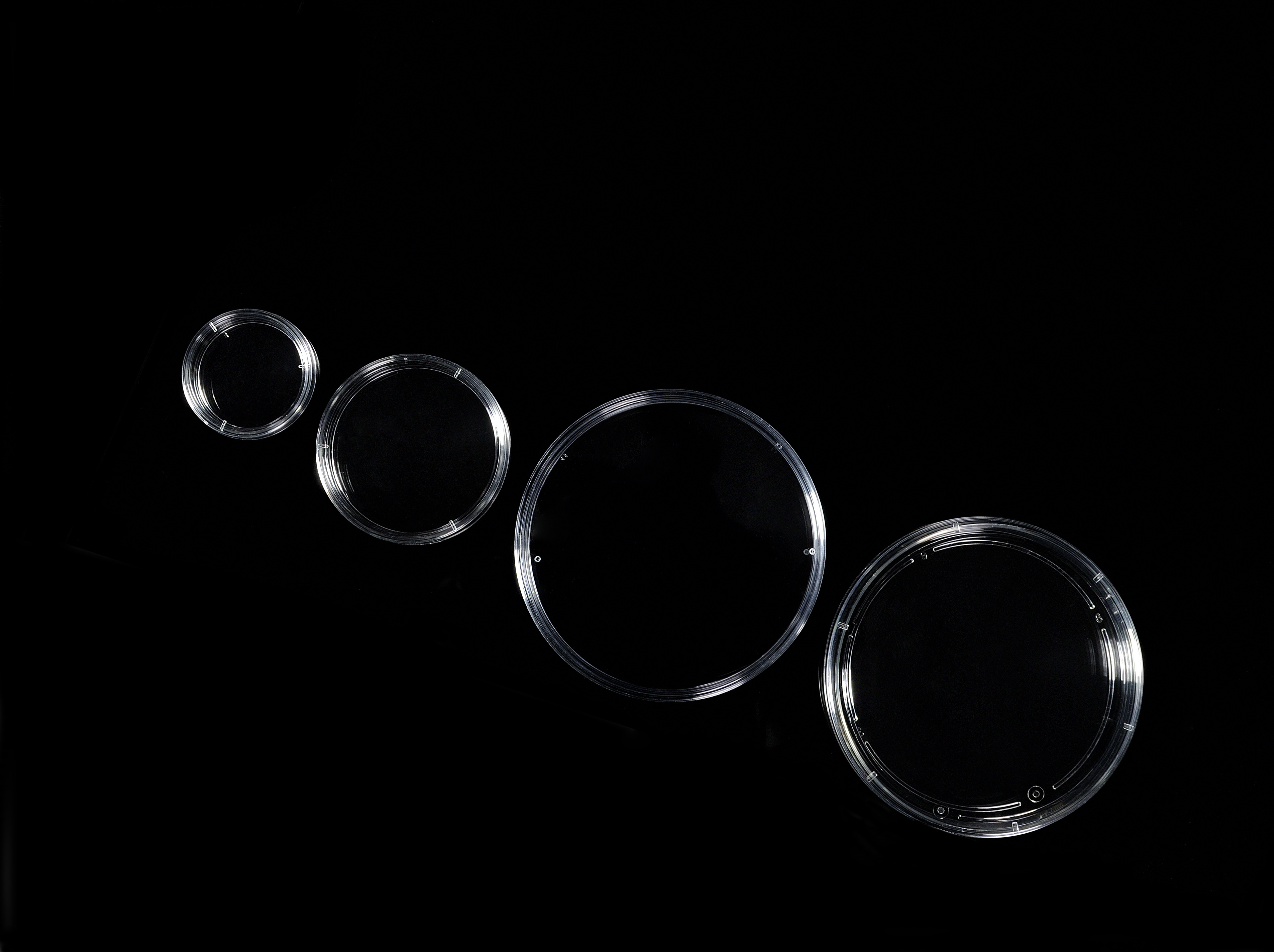
Cell culture dishes are manufactured from high-quality, non-toxic, transparent polystyrene, ensuring an optimal growth environment for cells and a toxin-free working space. Their design offers exceptional optical clarity, facilitating easy observation under the microscope of cell growth status, morphological changes, and any abnormalities that may arise during the culture process. The bottom of the dish is specially treated to promote uniform cell adhesion and growth while minimizing the risk of contamination during culture. In addition, the edges of the dish are smoothly rounded for convenient stacking and storage, effectively preventing scratches and safeguarding the safety of laboratory personnel. Available in a variety of sizes, these dishes meet diverse experimental requirements, making them suitable for both high-throughput screening and routine cell culture. Furthermore, the dishes exhibit outstanding thermal and chemical stability, withstanding high-temperature, high-pressure steam sterilization to maintain sterile conditions, thereby serving as an indispensable tool in cell culture experiments.
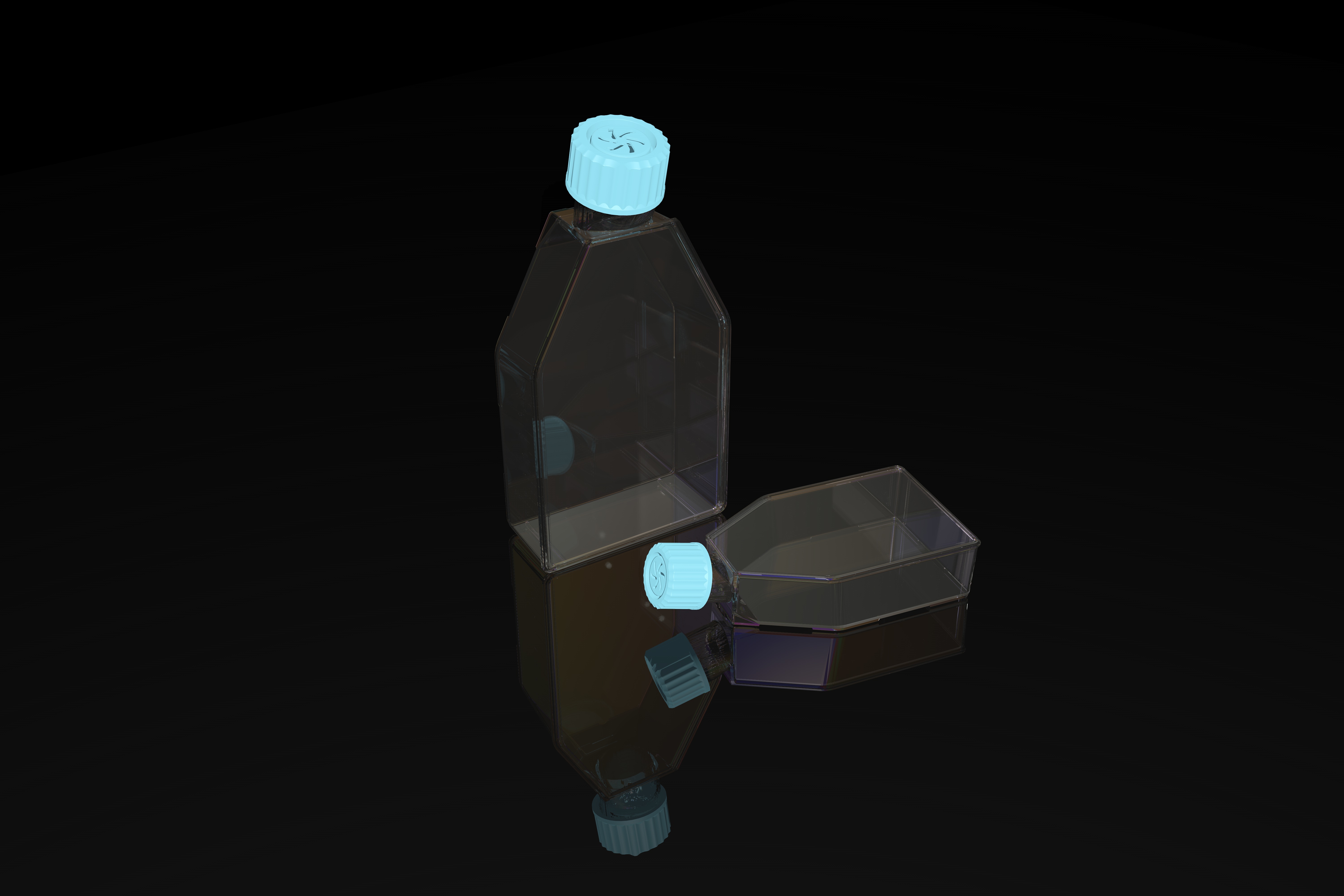
Cell culture flasks are indispensable experimental tools in life sciences research and biopharmaceutical development, making their design details critically important. High-quality cell culture flasks are typically manufactured from highly transparent, premium materials such as polystyrene or borosilicate glass, ensuring that cells receive adequate illumination during cultivation while minimizing the permeation of harmful substances to support healthy cell growth. The flask body is meticulously polished to achieve smooth, rounded edges with no sharp corners, facilitating handling by researchers and effectively preventing physical damage to cells during use. The lid is usually made from a material that offers excellent gas permeability and prevents microbial contamination—for example, a screw cap combined with a breathable membrane—thereby maintaining the stability of the culture environment and enabling sterile operations. In addition, the base of the flask is often designed as either flat or conical: a flat base is convenient for placement and observation, whereas a conical base promotes cell sedimentation and harvesting, thus meeting diverse experimental requirements. Some high-end models are also equipped with graduated markings to enable precise control of the culture medium volume, ensuring the accuracy and reproducibility of experimental results. In short, every design refinement is aimed at enhancing the efficiency and quality of cell culture and advancing scientific research.
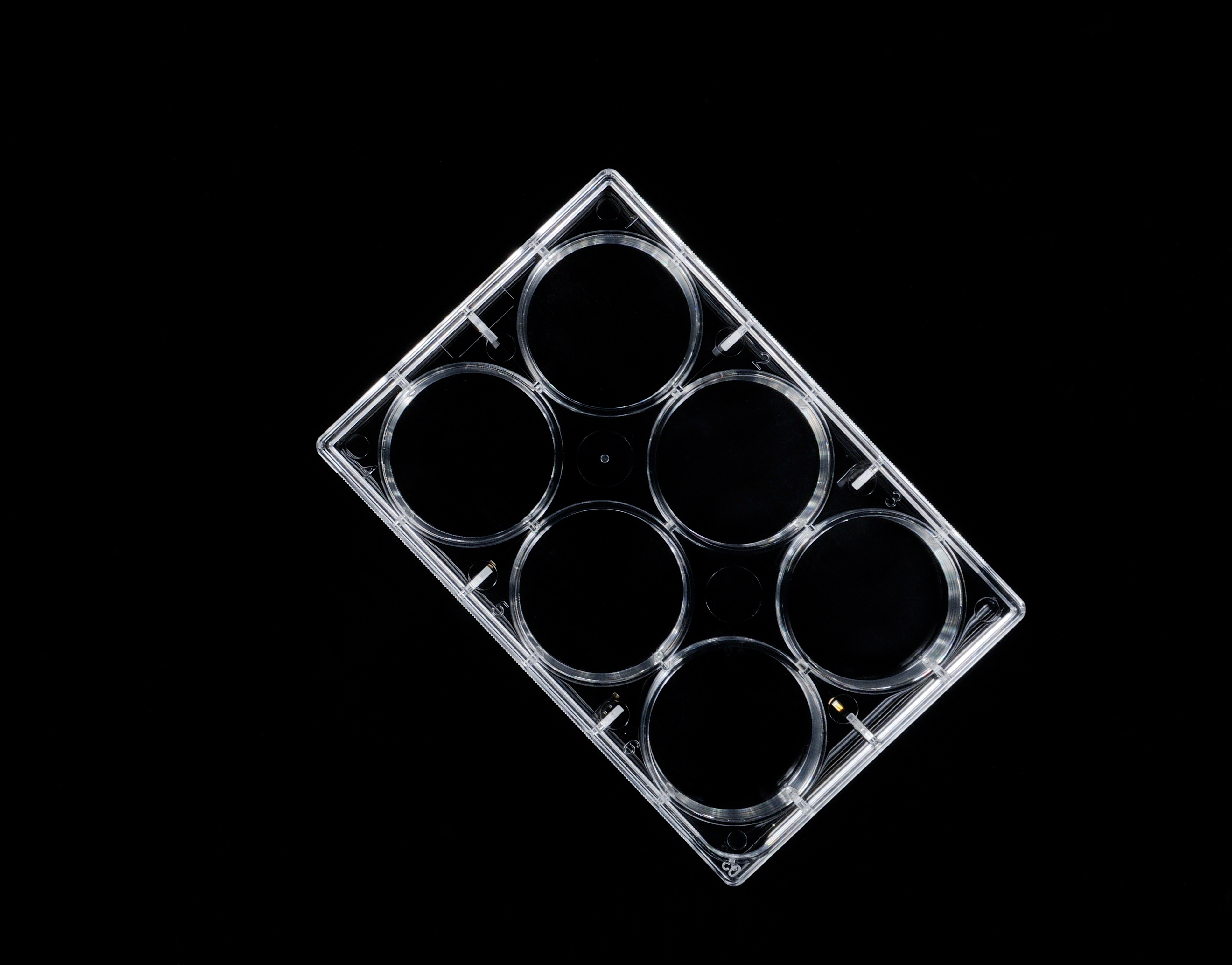
Cell culture plates are indispensable, critical tools in biomedical research and cell-culture experiments. They are typically manufactured from high-quality, non-toxic, biocompatible materials such as polystyrene or Teflon to ensure the healthy growth and proliferation of cells. These plates come in a wide range of designs and formats, including 6-well, 12-well, 24-well, 48-well, and 96-well configurations, to meet the diverse needs of different experimental applications. Each well features a uniform surface and smooth edges to minimize damage during cell attachment and facilitate subsequent cell manipulation and analysis. In addition, the plates exhibit excellent gas permeability and optical transparency, enabling convenient microscopic observation and imaging of cells. To maintain sterility, cell culture plates are usually sterilized by gamma irradiation and equipped with disposable sealing films to prevent contamination throughout the experimental process. Whether conducting studies on cell proliferation, differentiation, toxicity testing, or gene expression, cell culture plates provide reliable support, making them an ideal choice for researchers and laboratory technicians in the biomedical field.